Machine vision and image analysis systems trained on your data, deployed at your scale.
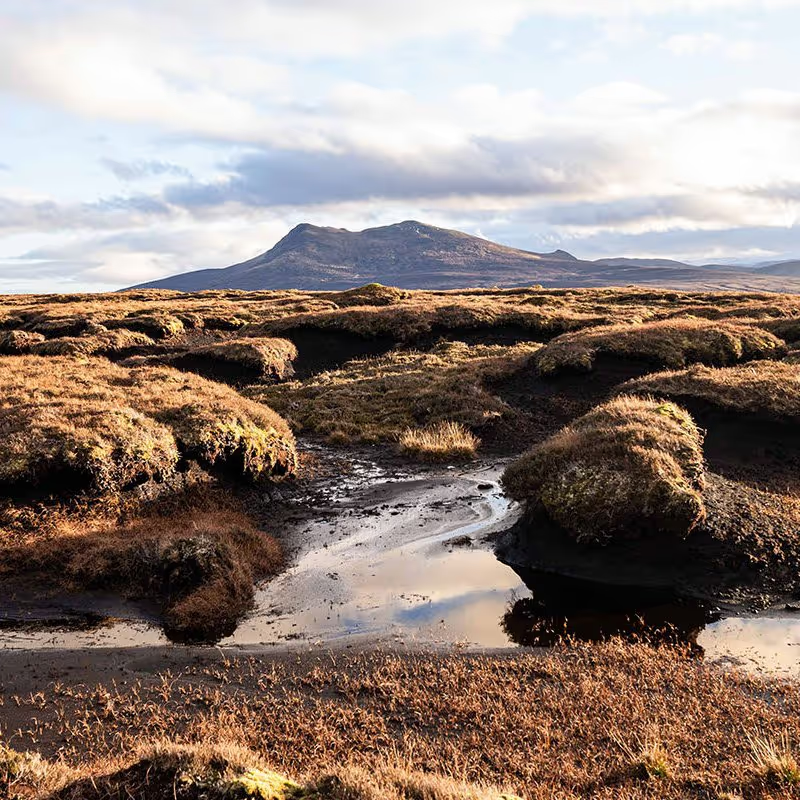
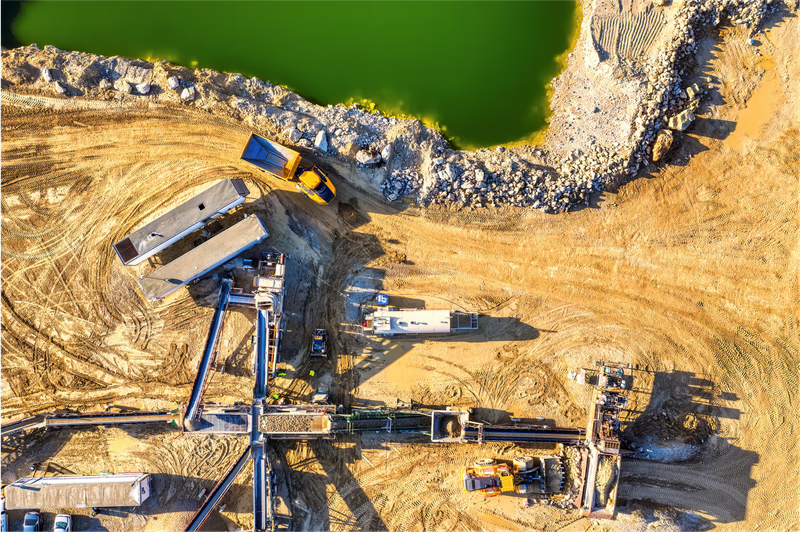
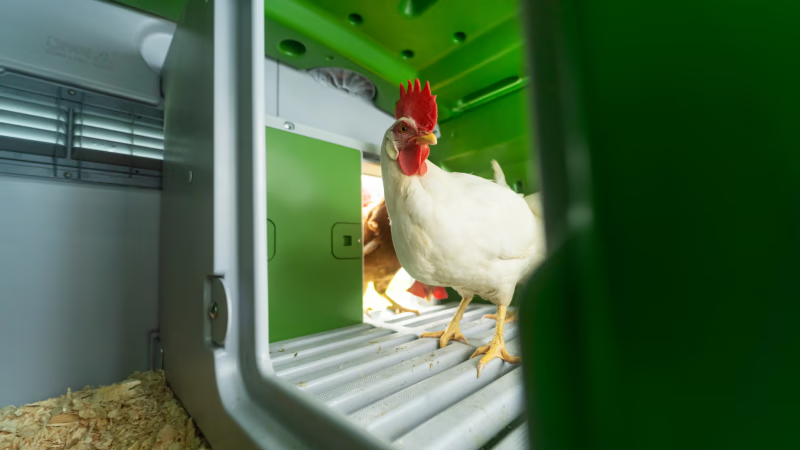
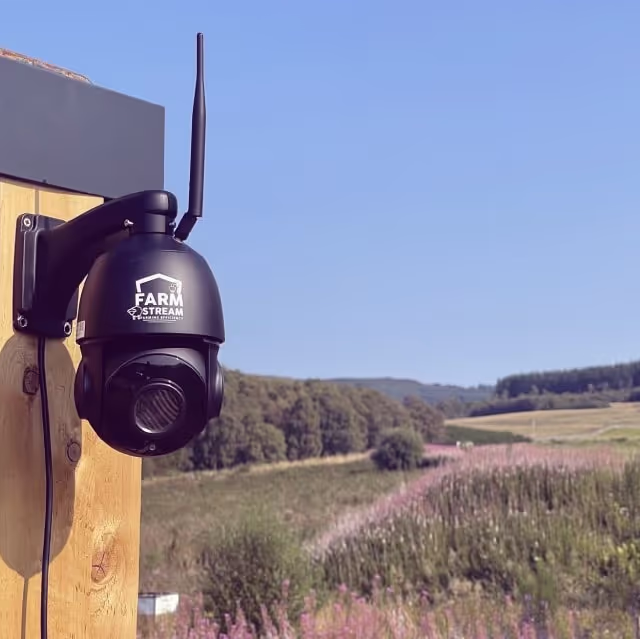
Computer vision gives machines the ability to see, interpret, and act on visual information. Our computer vision services span the full range: from automated visual inspection on industrial production lines to satellite and aerial image analysis covering thousands of hectares. We have built machine vision systems that classify rock fragmentation on quarry conveyors, map peatland erosion features from aerial imagery, detect livestock and vehicles in rural CCTV feeds, and extract structured information from engineering drawings. Each required models designed for the specific visual domain, not general-purpose classifiers. As an AI consultancy, we treat the gap between a demo and a production deployment as an engineering discipline: architecture selection, training data strategy, and deployment optimisation. We handle all three.
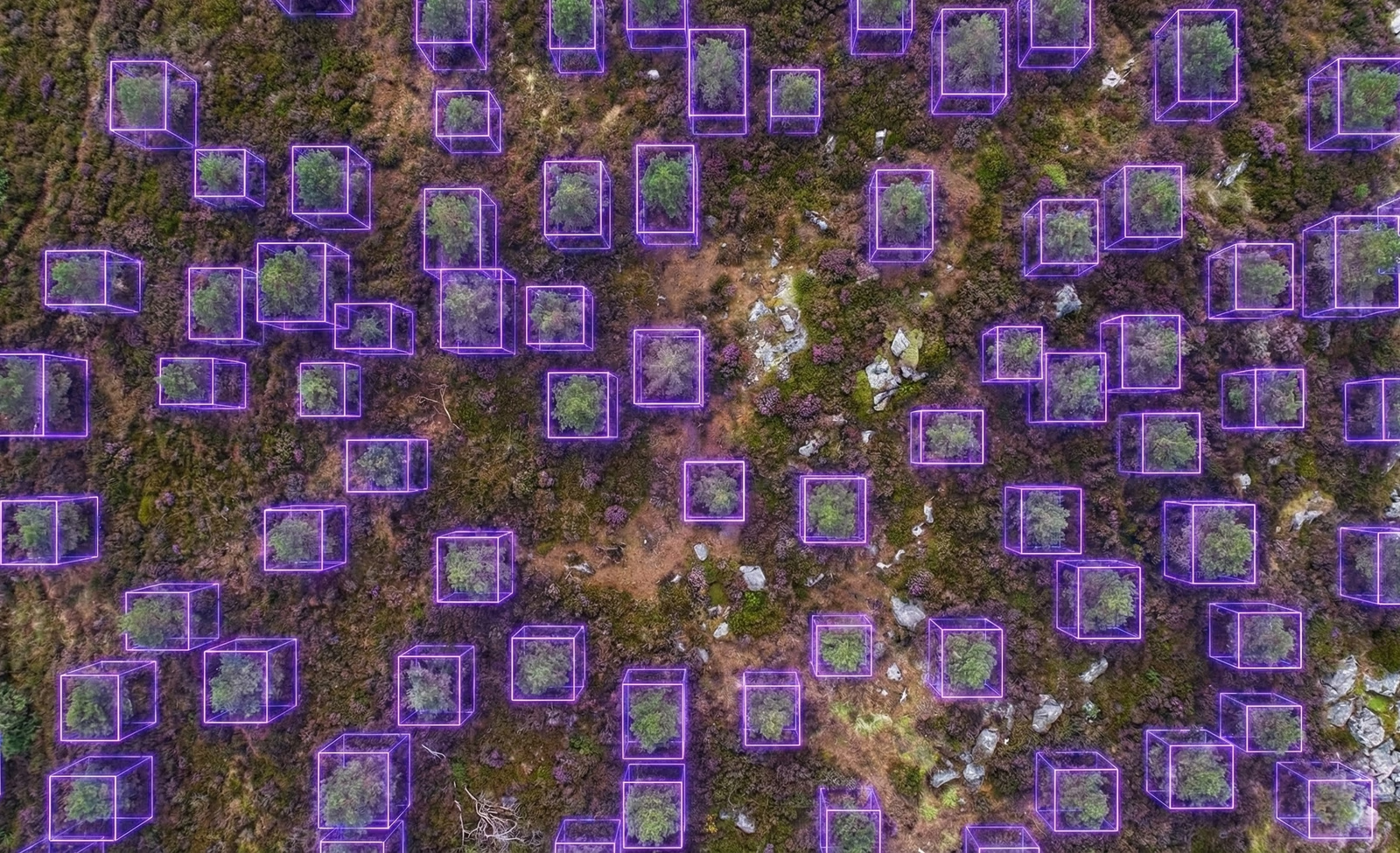
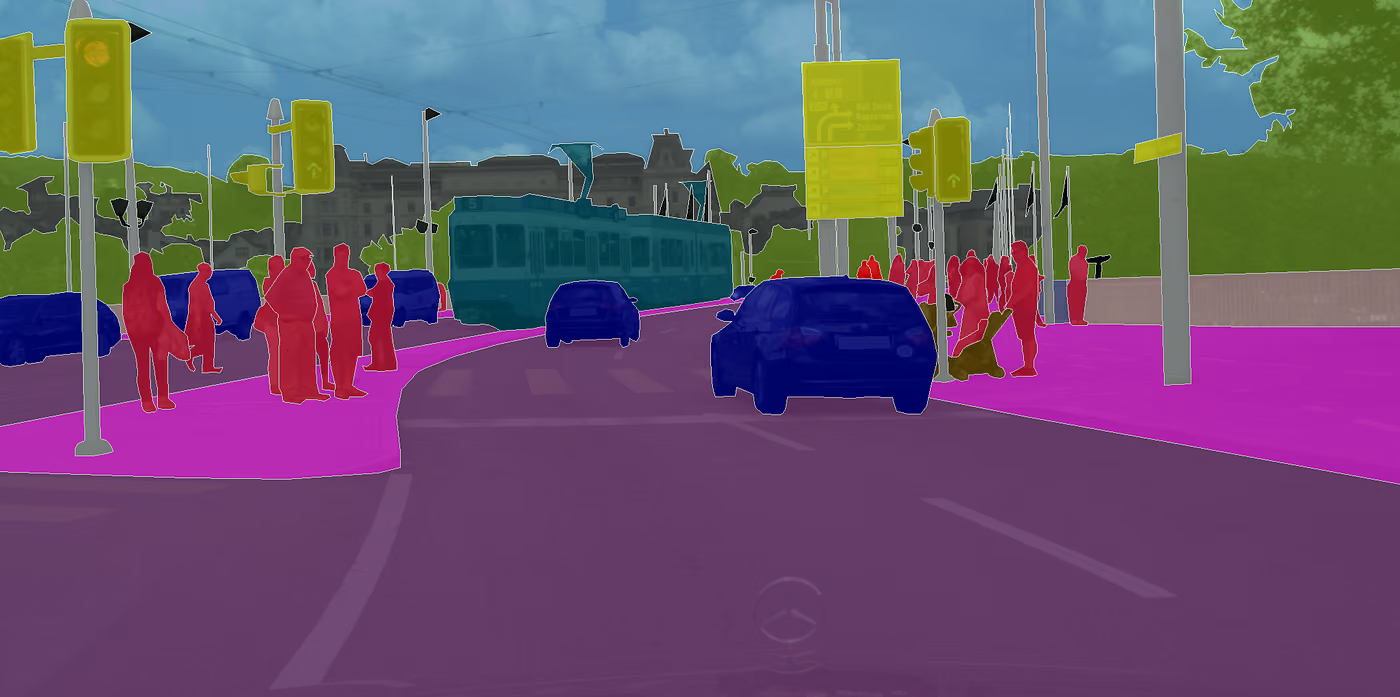
Custom detection and segmentation models built for specific visual domains. YOLO-family architectures for real-time counting and tracking, U-Net variants for pixel-level classification of terrain, vegetation, or geological features. Every model is trained on client data, not repurposed from generic benchmarks.
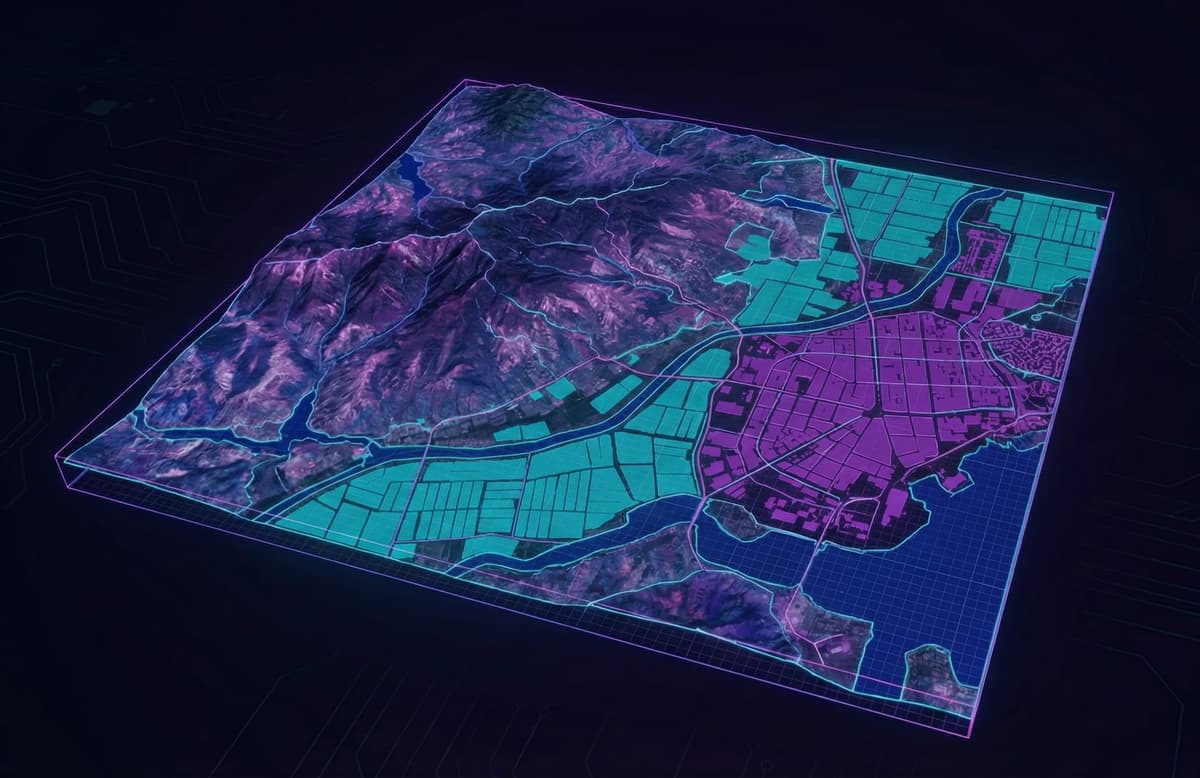
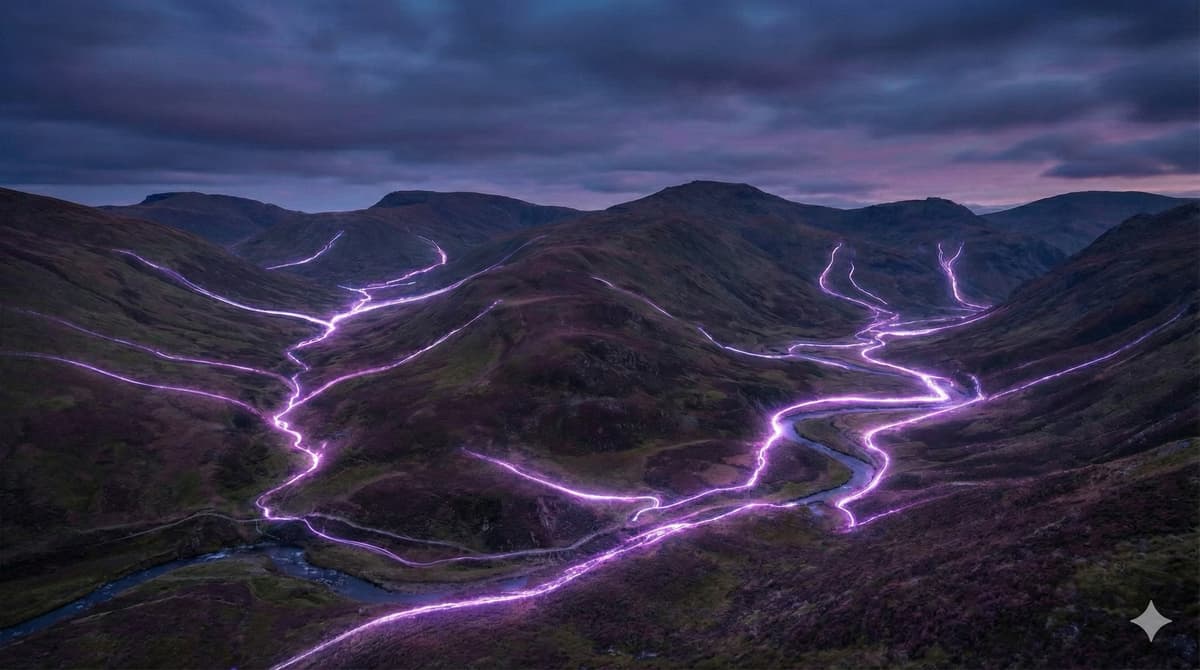
Geospatial AI applied to satellite, drone, and aerial imagery. Peatland erosion mapping, vegetation classification, land-use change detection, and carbon stock estimation across areas too large for manual survey. The pipelines that turn raw raster data into structured, actionable geospatial intelligence.
End-to-end video analytics pipelines that process feeds from IP cameras, industrial sensors, and surveillance systems. Object tracking, event detection, and automated alerting, running on-premise or at the edge with latency measured in milliseconds, not seconds.
Automated visual inspection systems for production lines and industrial processes. Defect detection, dimensional measurement, and grading that replaces manual inspection with machine vision running continuously without fatigue. Built for the specific materials, lighting, and throughput requirements of each deployment.
Tell us about your challenge. We’ll tell you which technologies can solve it.
Start a conversation→