Energy forecasting, asset condition monitoring, document intelligence, and automated reporting for utility and energy operations.
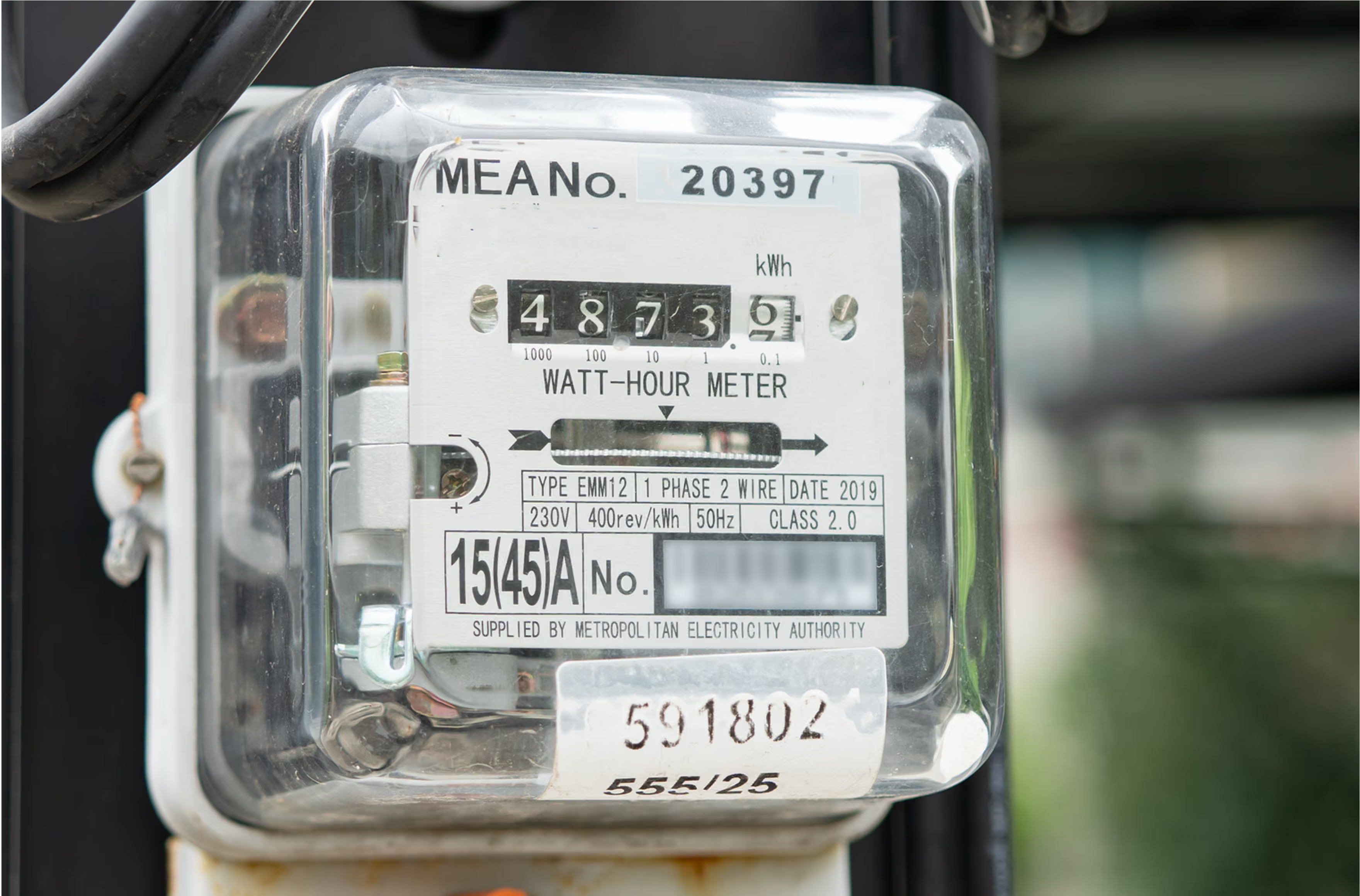
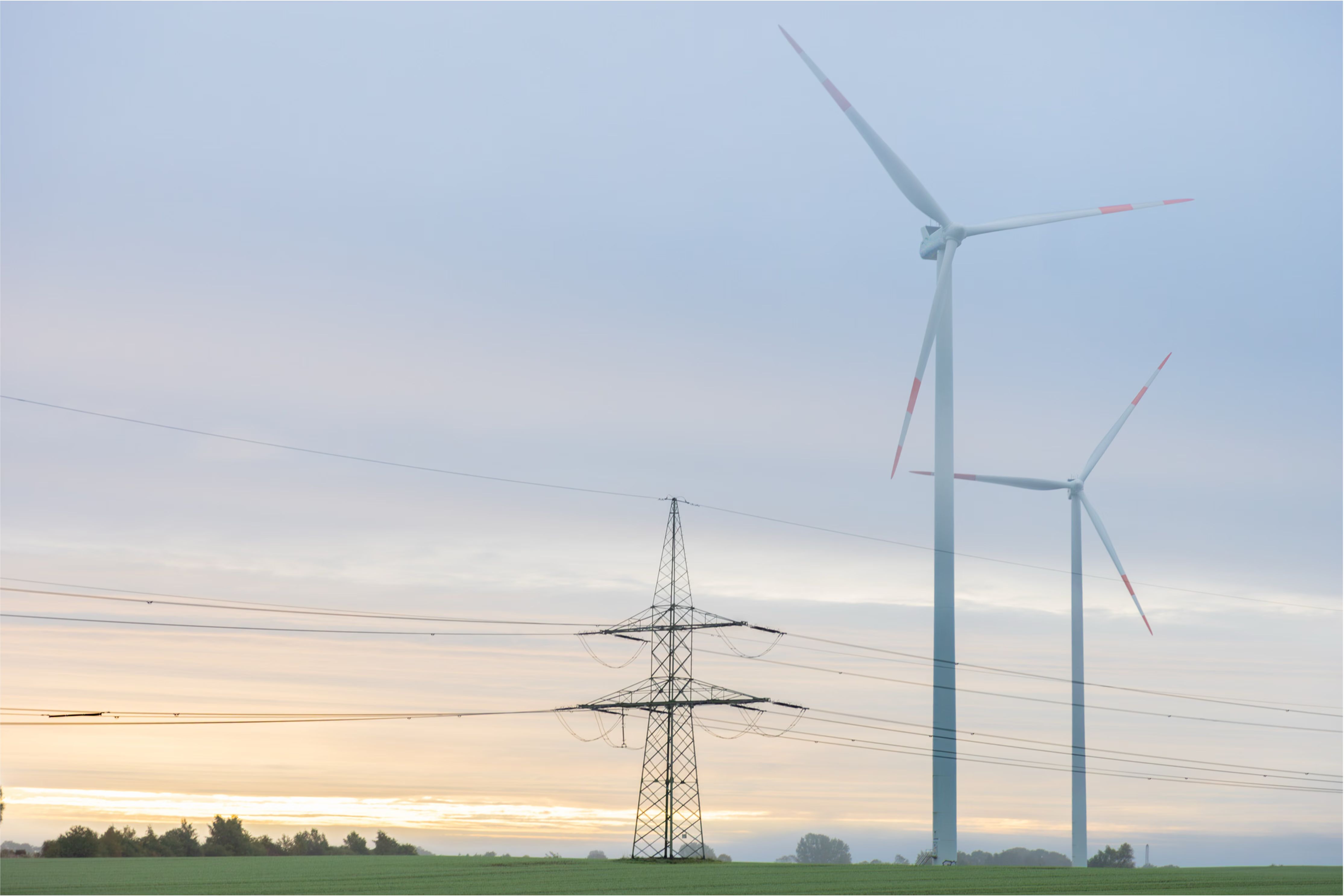
Energy and utility operations share a common constraint: ageing infrastructure generating vast amounts of data that still gets processed manually. On the energy side, ML models forecast demand at substation level, optimise grid balancing in real time, and detect anomalies in consumption patterns before they escalate. On the utility side, computer vision extracts asset locations and condition data from survey imagery, engineering drawings, and LiDAR scans, feeding planning algorithms that would take human analysts weeks. LLM-powered agentic workflows handle the operational burden that compounds across large asset bases: automated invoice reconciliation, MPAN management, contract extraction, and regulatory reporting. The common thread is the same. Structured data pipelines replace manual processes, and the organisations that connect prediction, planning, and operations into a single intelligence layer compound the efficiency gains at every stage.
Document intelligence pipelines that extract structured data from engineering drawings, survey reports, and regulatory filings. Contract intelligence for utility agreements, pulling key terms, renewal dates, and obligation clauses from large document sets. LLM-powered agentic workflows for invoice reconciliation and MPAN management across large asset portfolios.
ML models trained on inspection data, sensor telemetry, and historical failure records to predict asset degradation before it causes outages. AI for predictive maintenance that moves utilities from fixed inspection cycles to condition-based intervention. Automated defect classification from survey imagery, reducing the manual review burden on engineering teams.
AI energy management models that forecast consumption at substation and district level, feeding grid balancing decisions in real time. Energy forecasting that accounts for weather, seasonal demand, and load patterns across distribution networks. The same approach applied to gas, water, and multi-utility operations where demand prediction directly reduces waste.
Computer vision and geospatial AI applied to utility mapping from aerial imagery, LiDAR scans, and ground-penetrating radar data. Automated extraction of asset locations, pipe routes, and infrastructure condition from survey outputs. Planning algorithms that optimise maintenance routing and capital investment across distributed network assets.
Tell us about your challenge. We’ll tell you how AI can solve it.
Start a conversation→