Computer vision, geological modelling, process optimisation, and production analytics for mining, quarrying, and extractive operations.
Extractive industries operate on thin margins governed by geology, equipment efficiency, and market timing. AI is changing what can be measured, predicted, and controlled at every stage. In mineral exploration, 3D scene-completion models reconstruct subsurface geology from sparse geophysical surveys, identifying deposits that conventional interpretation misses. In production, computer vision monitors crusher output and conveyor throughput in real time, catching hidden downtime and drift that erode margins shift by shift. AI in mining, quarrying, and oil and gas follows the same pattern: the core physical process generates data that most operators still read manually, if they read it at all.
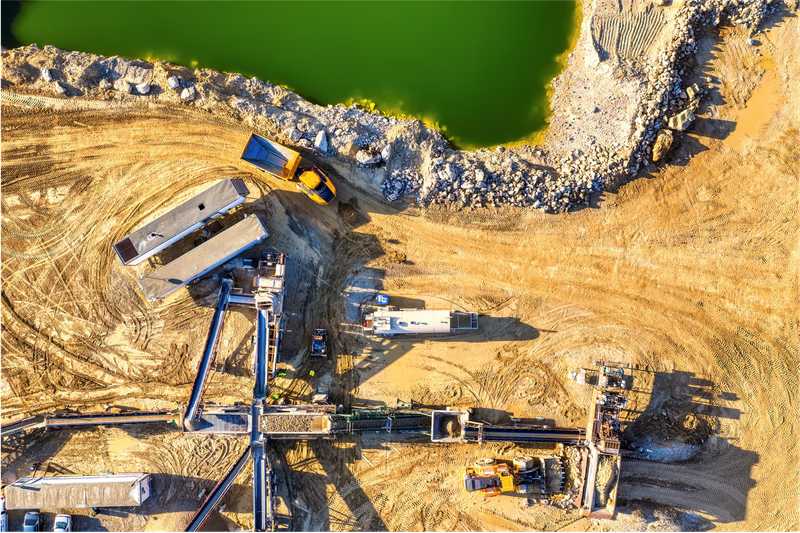
Computer vision models that monitor rock size distribution on crusher conveyors, detect belt misalignment, and track throughput in real time. Systems built to run on-site hardware with minimal connectivity requirements. Continuous visual data turned into operational intelligence, surfacing the hidden downtime and drift that manual inspection misses.
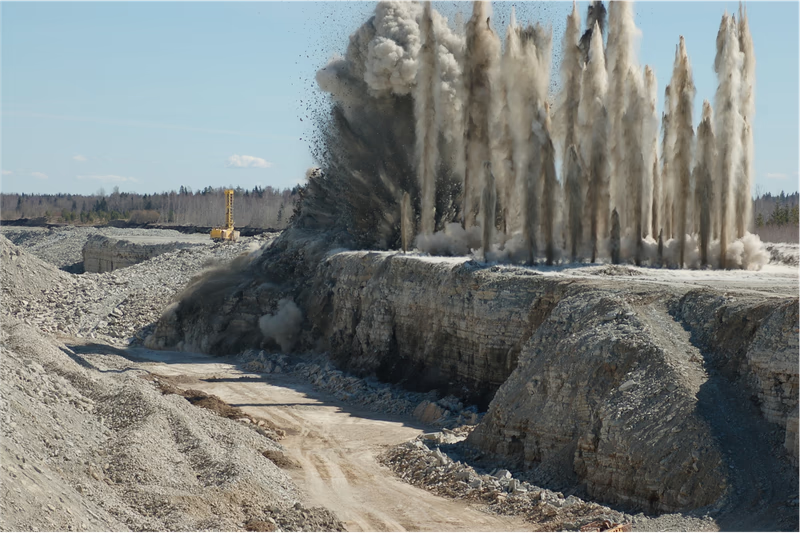
ML models trained on drilling logs, geological survey data, and post-blast imagery to predict fragmentation outcomes before detonation. Process optimisation that reduces oversize material, minimises secondary breaking, and improves downstream crusher efficiency. Each blast becomes a data point that refines the next.
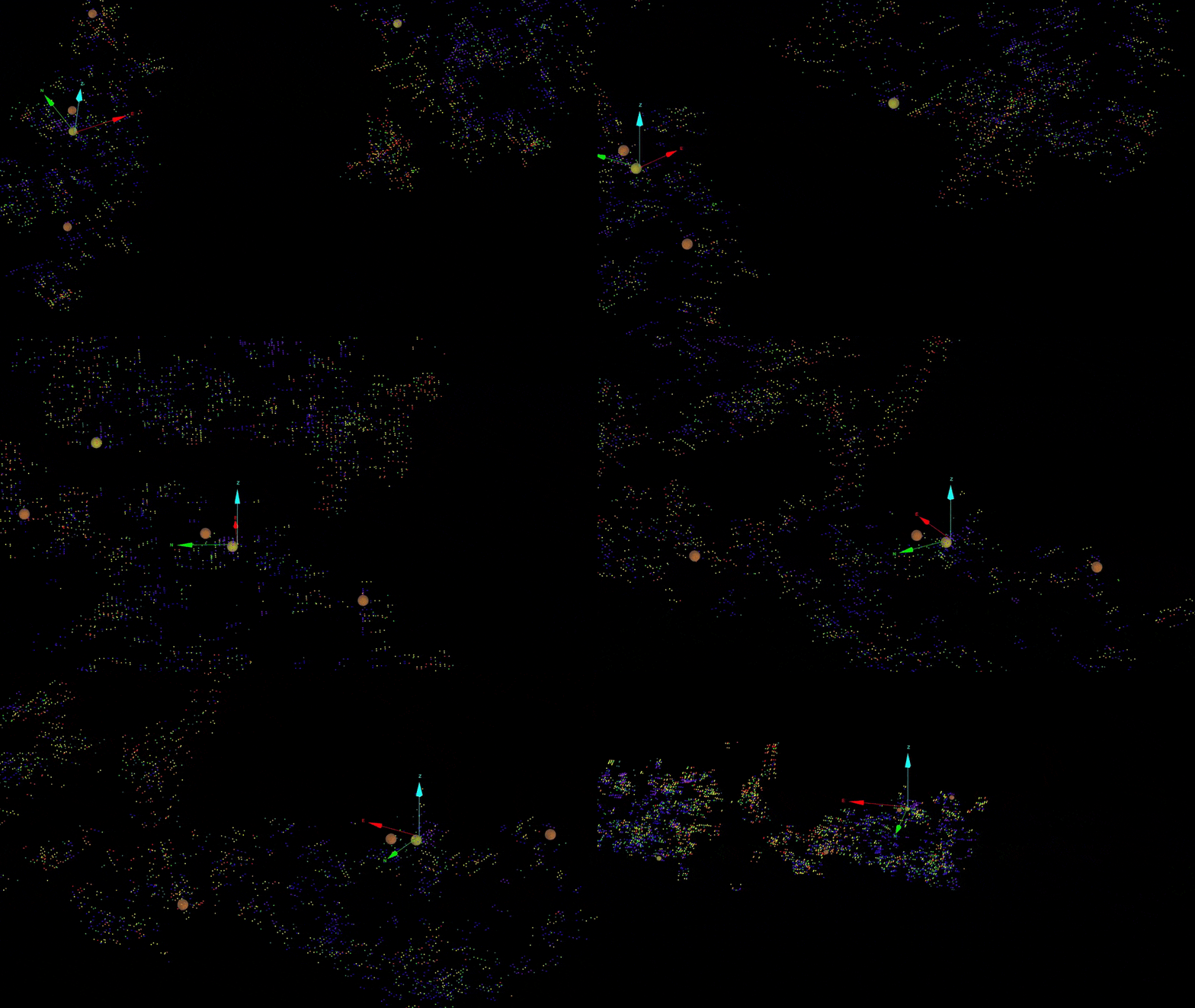
3D scene-completion models that reconstruct subsurface geology from sparse borehole and geophysical data. AI applied to mineral exploration to identify prospective zones that conventional interpretation overlooks. Our model for mineral deposit prediction was recognised in international competition.
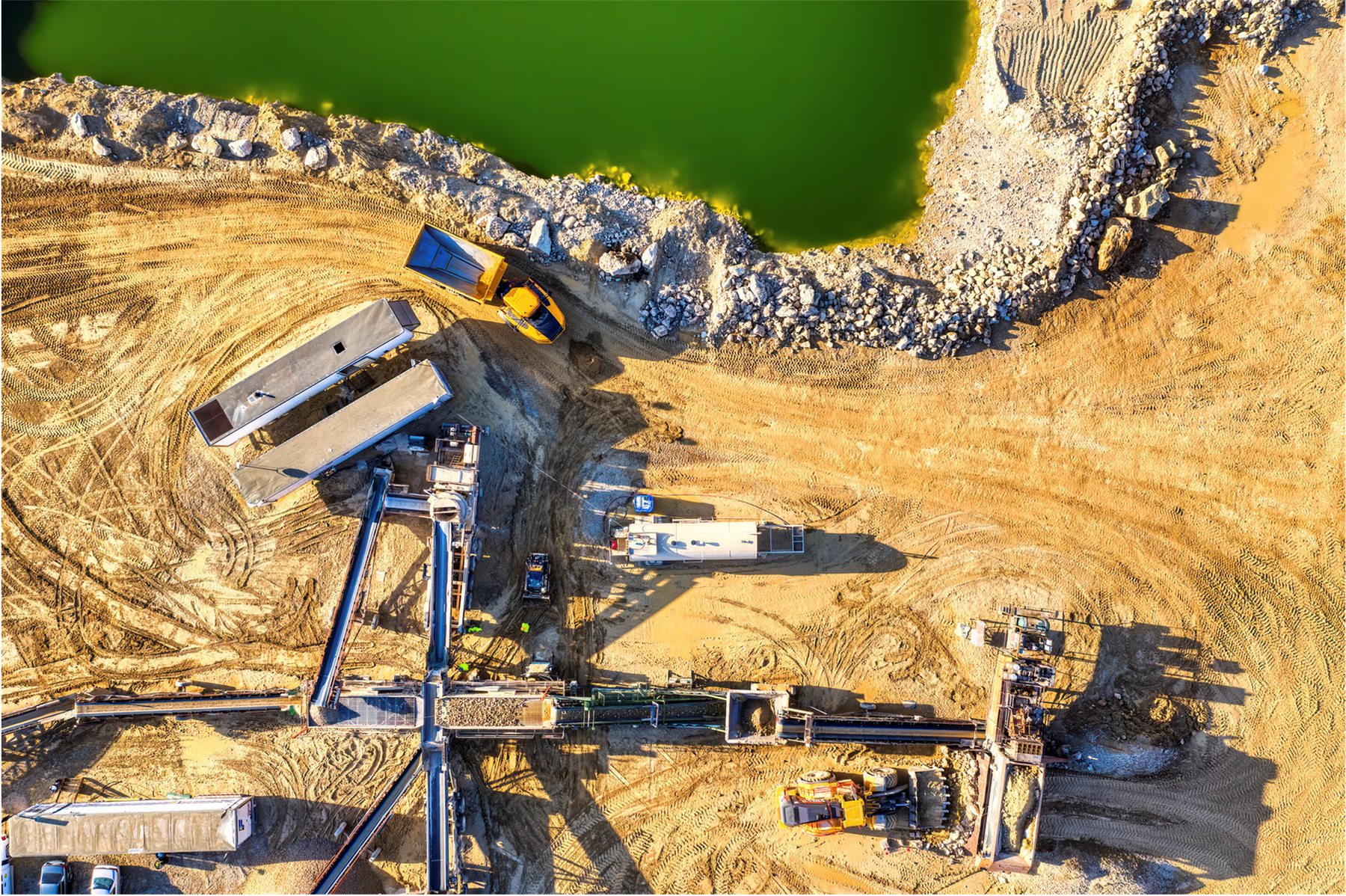
Data science pipelines connecting production data, equipment telemetry, and market signals into forecasting models. Demand prediction at product-grade level for the aggregate industry, closing the gap between what a site produces and what the market requires.
Tell us about your challenge. We’ll tell you how AI can solve it.
Start a conversation→